Can Babies Get Seasonal Allergies? 5 Things Parents Should Know
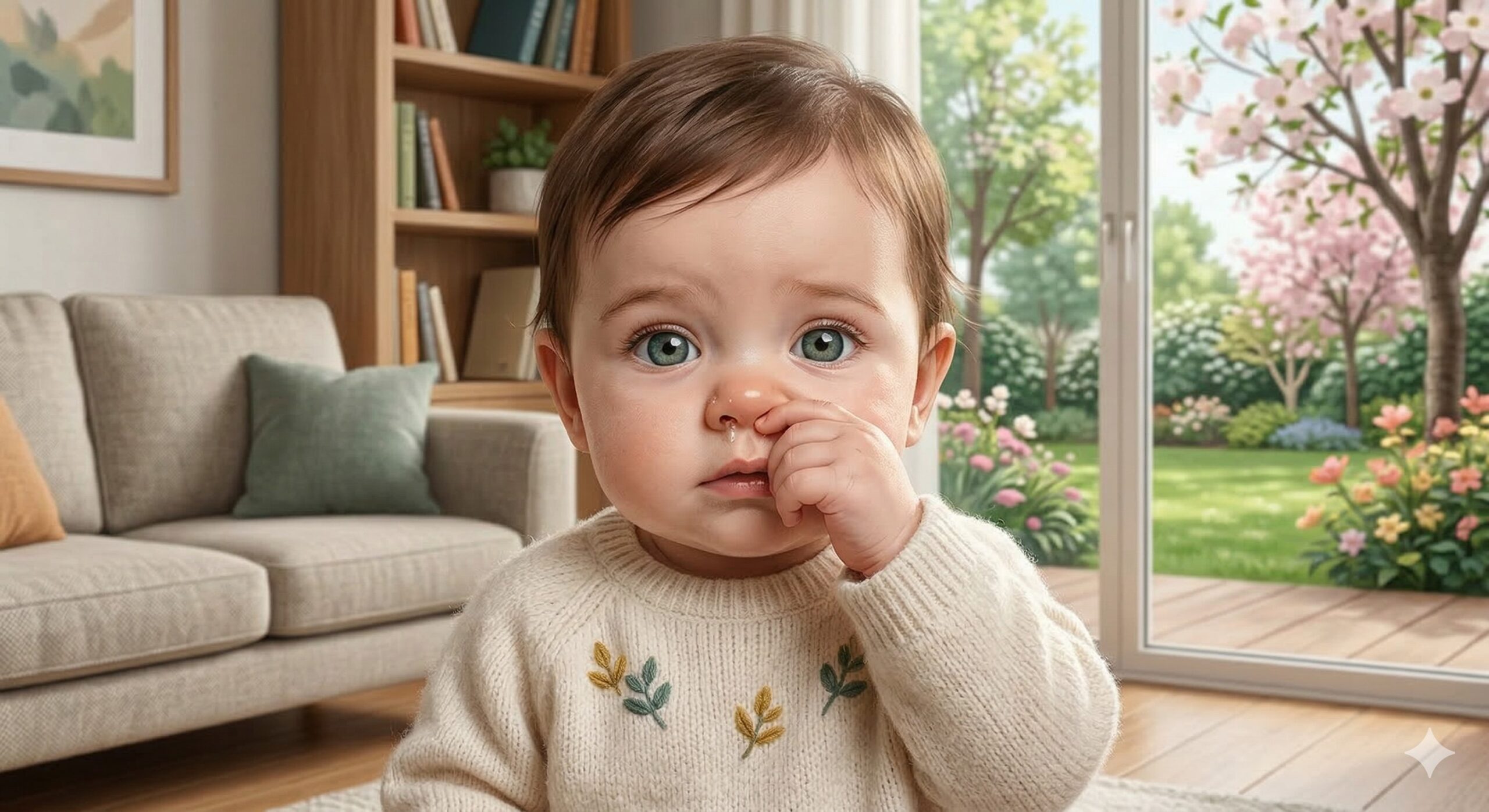
If you’re asking can babies get seasonal allergies, you’re not alone. Many parents notice runny noses, sneezing, or congestion during spring and fall — and wonder if pollen is to blame. It’s one of the most common questions pediatricians hear during allergy season.
The reassuring news? Seasonal allergies are uncommon in babies under one year old. Here’s what pediatricians want you to know.
Can Babies Get Seasonal Allergies?
Seasonal allergies — also known as allergic rhinitis or hay fever — rarely appear during the first year of life.
Why? Because a child’s immune system typically needs repeated exposure to allergens like pollen, grass, or ragweed before it develops an allergic reaction. That exposure usually happens over multiple seasons.
For this reason, most children don’t develop seasonal allergies until toddlerhood or later — usually between ages 2 and 5.
So if your infant has a runny nose this spring, allergies are usually not the cause.
When Can Babies Get Seasonal Allergies?
Although rare, seasonal allergies can occasionally occur in babies — especially if allergies run in the family.
Your baby may have a higher risk if:
- One or both parents have seasonal allergies
- There is a family history of asthma, eczema, or other allergic conditions
Even in these cases, symptoms often become clearer as children get older and have more repeated exposure to outdoor allergens across different seasons.
Symptoms That Can Look Like Seasonal Allergies in Babies
Many symptoms that concern parents during allergy season are actually caused by other very common conditions — not pollen.
If your baby has sneezing, congestion, or a runny nose, the more likely causes are:
- A common cold — Babies can get 8–10 colds per year, especially in daycare settings or homes with older siblings
- Indoor allergens — Such as dust mites or pet dander, which are present year-round
- Environmental irritants — Including smoke, strong fragrances, cleaning products, or dry air from heating and cooling systems
Because babies’ noses are small and sensitive, even minor irritants can cause noticeable congestion that looks a lot like allergy symptoms.
When to Talk to Your Pediatrician
Sometimes symptoms follow a pattern that may suggest allergies rather than a simple cold.
Consider reaching out to your pediatrician if your baby’s symptoms:
- Appear around the same time each year
- Last for several weeks without improvement
- Seem to get worse when spending time outdoors
- Don’t respond to typical cold care at home
A pediatrician can help determine whether symptoms are related to allergies, a viral illness, or environmental triggers — and guide you toward the right next steps.
Treatment Options If Your Baby Has Seasonal Allergies
If seasonal allergies are suspected, there are safe and effective options available for young children depending on age and symptoms.
Your pediatrician may recommend:
- Adjustments to your home environment to reduce allergen exposure
- Gentle symptom relief strategies appropriate for your baby’s age
- Age-appropriate medications when necessary
Never give your baby over-the-counter allergy medications without first speaking to your pediatrician, as many products are not safe for infants.
The Bottom Line: Can Babies Get Seasonal Allergies?
If your baby seems congested during allergy season, it’s most likely not seasonal allergies. The more common culprits are everyday colds or environmental irritation.
That said, if you notice a consistent pattern of symptoms season after season, it’s always worth a conversation with your pediatrician.
At Canopy Pediatrics, we make it easy to get answers without the stress. If you have questions about your baby’s symptoms, you can join our practice and book a visit today — in-office or virtually, whatever works best for your family.
Have questions about your baby’s symptoms? Don’t hesitate to reach out — we’re here to help.