Daycare Illnesses First Year: 6 Surprising Facts Every Parent Needs to Hear

If your baby just started daycare and seems to be sick every other week, you’re not imagining it. Daycare illnesses first year are extremely common — and for many parents, completely unexpected.
The good news is that most of what your baby is going through is normal, temporary, and actually beneficial for their long-term health. Here’s what every parent needs to know.
What Are Daycare Illnesses First Year?
When babies enter daycare for the first time, they are suddenly exposed to a whole new world of germs — viruses, bacteria, and infections they have never encountered before. Their immune systems, still developing, have to learn how to fight each one.
This is why daycare illnesses first year tend to be so frequent. It’s not a sign that something is wrong with your baby or that daycare is a bad choice. It’s simply your baby’s immune system doing exactly what it’s supposed to do.
1. Getting Sick Often Is Actually a Good Sign
This might surprise you — but frequent illness in the first year of daycare is a sign that your baby’s immune system is actively learning and building defenses.
Each cold, ear infection, or stomach bug your baby fights off teaches their immune system how to respond faster and stronger next time. Research shows that children who attend daycare early tend to have fewer illnesses and allergies later in childhood compared to children who stayed home.
So while it’s exhausting now, it pays off in the long run.
2. Babies Can Get 8 to 10 Colds in Their First Year
Yes, you read that right. According to Stanford Medicine Children’s Health, babies and young children can get up to 8 to 10 colds per year — and daycare significantly increases that exposure.
Most of these colds are mild and resolve on their own within 7 to 10 days. Runny noses, mild congestion, and fussiness are all part of the normal pattern of daycare illnesses first year.
3. Not Every Runny Nose Needs Antibiotics
One of the most common concerns parents bring to the pediatrician is whether their baby needs antibiotics for a runny nose or cough. In most cases, the answer is no.
The majority of daycare illnesses are caused by viruses — and antibiotics don’t treat viruses. Giving antibiotics unnecessarily can actually do more harm than good by disrupting your baby’s gut health and contributing to antibiotic resistance.
Your pediatrician will help you determine when antibiotics are truly needed and when watchful waiting is the better approach.
4. Some Illnesses Spread Even Before Symptoms Appear
This is one of the most surprising facts about daycare illnesses first year — many viruses are contagious before the infected child shows any symptoms at all.
This means that even the most careful daycare centers cannot prevent every illness from spreading. It’s simply the nature of how viruses work, and it’s one of the main reasons why frequent illness in daycare is so hard to avoid, no matter how clean the environment is.
5. There Are Ways to Reduce How Often Your Baby Gets Sick
While you can’t prevent every illness, there are practical steps that can help reduce the frequency and severity of daycare illnesses first year:
- Handwashing — Wash your baby’s hands as soon as you get home from daycare every day
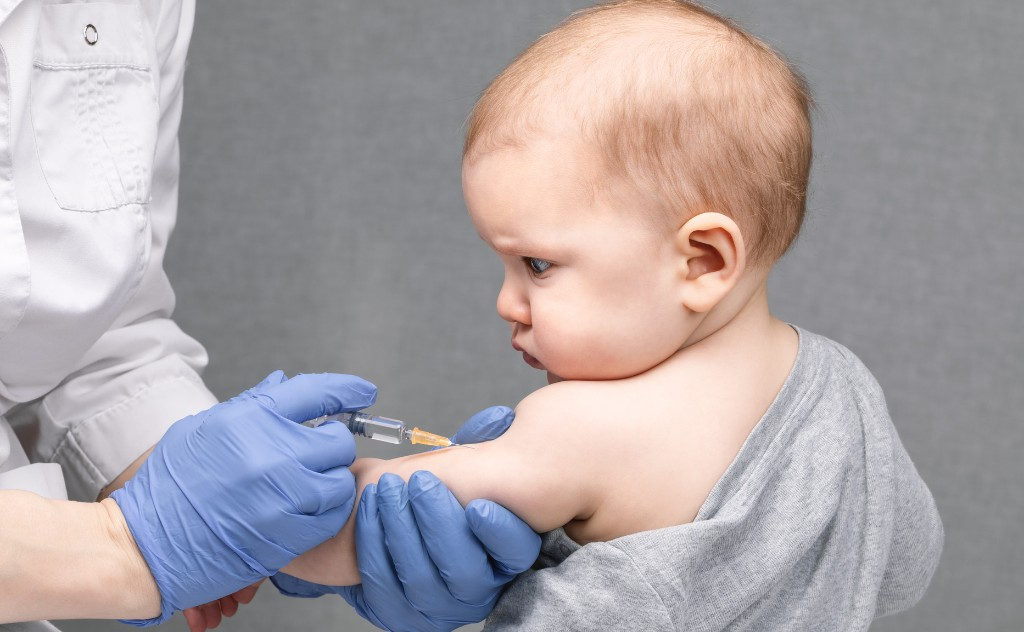
- Stay up to date on vaccines — Vaccines protect against some of the most serious illnesses circulating in group care settings
- Breastfeeding when possible — Breast milk provides antibodies that help protect your baby
- Good sleep — A well-rested baby has a stronger immune response
- Keep sick babies home — Following daycare illness policies protects your child and others
Small habits make a real difference over time.
6. It Gets Better After the First Year
The first year of daycare is genuinely the hardest — but it does get better. Most parents notice a significant drop in illness frequency by the second year as their child’s immune system becomes more experienced.
By the time your child reaches preschool age, they will likely be much more resilient than children who were not exposed to group care early on.
Hang in there. The finish line is closer than it feels.
When to Call Your Pediatrician
Most daycare illnesses can be managed at home with rest, fluids, and comfort. However, reach out to your pediatrician if your baby:
- Has a fever of 100.4°F or higher, especially under 3 months of age
- Has difficulty breathing or is breathing very fast
- Has an ear infection that doesn’t improve
- Seems unusually lethargic or difficult to wake
- Has symptoms that last more than 5 days without improvement
At Canopy Pediatrics, we understand how stressful the first year of daycare can be. We’re here to help you tell the difference between what’s normal and what needs attention — so you can worry less and enjoy more.
The Bottom Line: Daycare Illnesses First Year
Frequent illness during the daycare illnesses first year is normal, expected, and even beneficial for your baby’s long-term immune health. It doesn’t mean your baby is unusually vulnerable or that daycare is the wrong choice.
With the right support and a trusted pediatrician by your side, you can navigate this season with confidence.
If you have questions about your baby’s health or want guidance on managing daycare illnesses, join our practice and book a visit today — in-office or virtually, whatever works best for your family.